

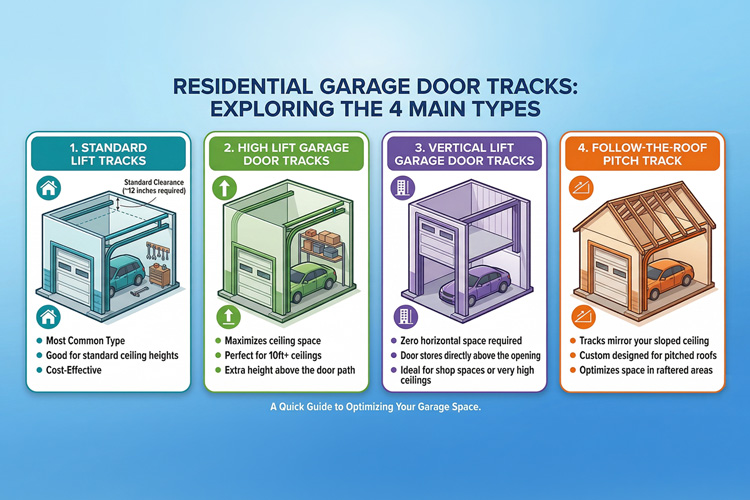
When most homeowners think about their garage doors, they focus on the aesthetics: the color, the window inserts, or the material. However, as professionals in the industry, we know that the real “magic” happens behind the scenes—specifically within the garage door track. The track system is the skeleton of your garage door operation. It dictates how the door moves, how much space it consumes, and how safely it functions over time.
In South Florida, where our garages often serve as workshops, storage units, or high-end showrooms for our vehicles, choosing the right track configuration is essential. Whether you are dealing with a cramped ceiling in an older Boca Raton home or looking to install a car lift in a modern West Palm Beach estate, understanding your track options is the first step toward a functional and high-performing garage.
In this comprehensive guide, we will break down the various types of track systems available, the technical specifications you need to know, and how to choose the right setup for your specific needs.
Understanding the Fundamentals of the Garage Door Track
Before diving into the specific types of tracks, it is important to understand what a garage door track actually does. The track system consists of two steel channels—one on each side—that guide the rollers attached to the door. This allows the door to transition from a vertical (closed) position to a horizontal (open) position.
The configuration of these tracks is determined by three primary measurements:
-
Headroom: The space between the top of the door opening and the lowest point of the ceiling.
-
Sideroom: The space on either side of the door opening.
-
Backroom: The distance from the door opening to the rear of the garage.
Selecting the wrong track for these dimensions can lead to mechanical failure, excessive noise, or an inability to fully open the door.
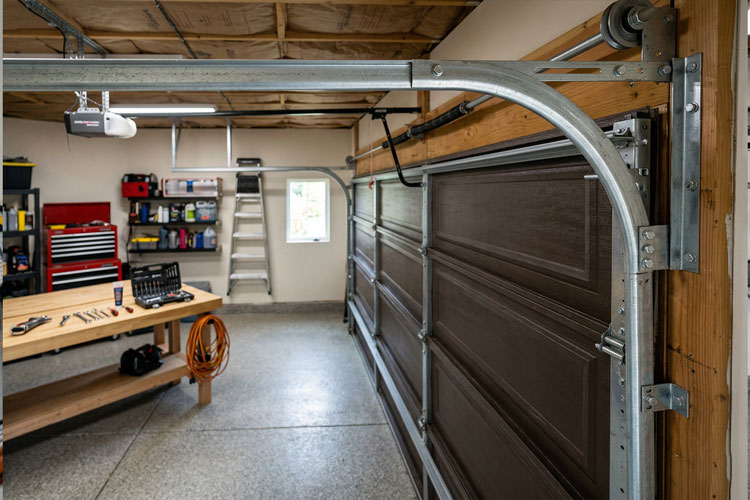
1. Standard Lift Garage Door Track: The Industry Baseline
The most common configuration found in residential homes is the standard lift track. If you walk into a typical suburban garage today, this is likely what you will see.
How It Works
The standard lift system uses a single piece of vertical track and a single piece of horizontal track connected by a curved section known as the “radius.” In this setup, the door moves vertically for a short distance before curving into the horizontal position.
When to Use It
This is the “go-to” option for garages with 12 to 15 inches of headroom. It is cost-effective, easy to maintain, and compatible with almost every standard residential garage door opener.
Advantages and Considerations
-
Pros: Highly reliable, widely available parts, and simple installation.
-
Cons: It doesn’t maximize vertical space. If you have high ceilings, a standard lift track leaves a large “dead zone” of empty space above the door when it is open.
2. Low Headroom Garage Door Track: Solutions for Tight Spaces
In many older South Florida homes or specialized commercial structures, ceiling height is at a premium. When you have less than 12 inches of space above the door header, a standard track simply won’t fit. This is where the low headroom garage door track comes into play.
The Dual-Track Design
The low headroom system is often referred to as a “double track” system. It features two horizontal tracks on each side. The top roller of the door travels in the upper track, while the remaining rollers travel in the lower track. This allows the door to begin its horizontal turn much sooner, requiring significantly less clearance.
Ideal Applications
-
Garages with structural beams or HVAC ductwork obstructing the ceiling.
-
Older homes with low-profile construction.
-
Basement garages.
Technical Insight
Installing a low headroom track requires precision. Because the geometry is tighter, the tension on the springs and the placement of the operator (opener) must be exact to prevent the door from binding.
3. High Lift Garage Door Track: Maximizing Your Vertical Volume
For homeowners who want to make the most of their garage’s height, the high lift track is an elite choice. This is a favorite among car enthusiasts and those who utilize their garage for more than just parking.
Vertical Extension
A high lift garage door track extends the vertical portion of the track further up the wall before the door turns into the horizontal position. This keeps the door closer to the ceiling when it is open.
The Benefits of High Lift
-
Car Lifts: If you want to install a “stacker” lift to park one car over another, a high lift track is mandatory to provide the necessary clearance.
-
Aesthetics: It creates a much cleaner, more open look in the garage.
-
Increased Storage: By moving the door tracks higher, you free up wall space for shelving or overhead storage racks.
Requirements
To install a high lift system, you generally need a “Jackshaft” opener (like the LiftMaster 8500W), which mounts on the wall beside the door rather than on the ceiling. This ensures that the center of the garage remains completely clear.
4. Vertical Lift Garage Door Track: The Industrial Powerhouse
Vertical lift systems are rarely seen in residential settings unless the home has exceptionally high ceilings (think 15-20 feet). However, they are the standard for commercial warehouses and loading docks.
Pure Vertical Movement
In a vertical lift configuration, the door does not turn horizontal at all. Instead, it slides straight up the wall.
Why Choose Vertical Lift?
-
Maximum Clearance: Since the door stays flat against the wall, there are no horizontal tracks hanging into the room.
-
Durability: These systems are designed for heavy-duty, high-frequency use.
-
Safety: There is no risk of the door “dropping” from a horizontal track because it is always supported vertically.
5. Follow-the-Roofline (Pitch) Track: Custom Engineering
Does your garage have a sloped or vaulted ceiling? Using a standard horizontal track in a vaulted space looks awkward and wastes valuable square footage. The “follow-the-roofline” or pitch garage door track is designed to match the angle of your roof.
Custom Angles
The horizontal track is installed at an incline that mirrors the ceiling’s pitch. This requires specialized hardware and custom-cut track sections.
Expert Take
This setup is highly aesthetic and functional for modern luxury homes. However, it requires a specialized torsion spring system because the door is moving at an angle, which changes the weight distribution as the door opens and closes.
Technical Specifications: Gauge and Radius
Choosing the style of the track is only half the battle; you also need to consider the physical build of the hardware.
Track Gauge (Thickness)
The “gauge” refers to the thickness of the steel. In the garage door industry, a lower number means thicker steel.
-
25-Gauge: Very thin, usually found in “builder grade” doors. Prone to bending.
-
Standard (14 to 16-Gauge): The sweet spot for residential durability.
-
Heavy Duty (12-Gauge): Used for heavy wooden doors or high-traffic commercial applications.
The Radius
The radius is the curve of the track. Common sizes include 10-inch, 12-inch, and 15-inch radii. A larger radius provides a smoother operation but requires more headroom. At First Garage Door Repair, we typically recommend a 15-inch radius for residential doors when space allows, as it reduces wear and tear on the rollers and hinges.
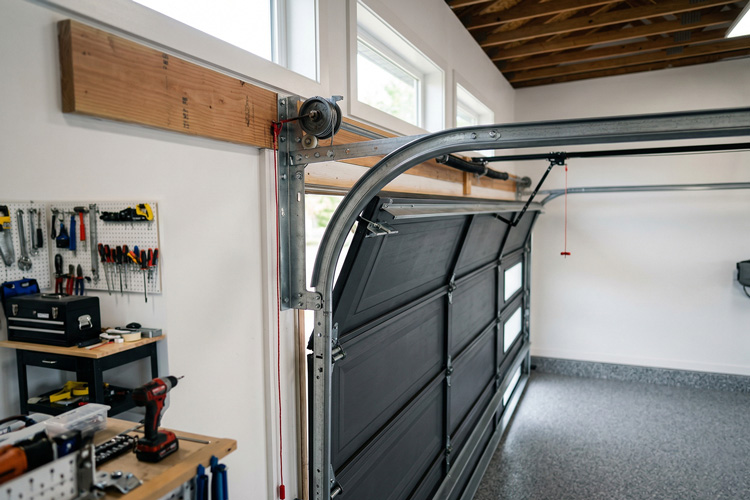
Addressing Common Garage Door Track Pain Points
As an expert service provider in Boca Raton, we frequently see the same issues regarding tracks. Here is how to identify and address them:
1. The “Off-Track” Nightmare
A door falling off its track is a safety emergency. This usually happens because of a broken cable or because the door hit an obstruction. Never attempt to fix an off-track door yourself. The tension in the springs is lethal.
2. Noisy Operation
If your door screeches or vibrates, the garage door track may be misaligned or dirty. Over time, house settling can cause tracks to shift slightly. A professional alignment can make your door whisper-quiet again.
3. Rust and Corrosion
In South Florida, the salt air is a silent killer of garage hardware. Standard galvanized steel tracks can eventually succumb to rust. We recommend regular inspections and, in some cases, upgrading to powder-coated or stainless steel components for homes near the ocean.
4. Bends and Dents
A minor dent in the track might seem like no big deal, but it creates a “speed bump” for the rollers. This puts unnecessary strain on the opener’s motor. If your track is bent, it’s often safer and cheaper to replace the section than to try and hammer it back into shape.
Expert Maintenance Tips for Longevity
To ensure your garage door track lasts for its intended lifespan (usually 15-20 years), follow these expert guidelines:
-
Keep it Clean: Use a damp rag to wipe the inside of the track. Do NOT use heavy grease inside the tracks; grease attracts dirt and debris, which creates a sticky grime that hinders the rollers.
-
Tighten the Bolts: The vibration of the door can loosen the bolts that hold the track to the wall brackets. Periodically check and tighten these with a wrench.
-
Check for Level: Use a bubble level to ensure the vertical tracks are perfectly plumb. Even a quarter-inch lean can cause long-term damage.
-
Lubricate the Rollers (Not the Track): Lubricate the roller bearings, but keep the track surface dry and clean.
The Role of Professional Installation
When searching for “Garage Door Repair Boca Raton” or “Garage door track replacement near me,” it’s vital to choose a company that understands local building codes. In Florida, garage doors must meet strict wind-load and hurricane-rated requirements. The track system is a key component of this rating. A track that is not properly anchored to the structure can fail during a high-wind event, leading to the total destruction of the door and potential structural damage to the home.
Summary of Track Options
| Track Type | Best For | Headroom Required |
| Standard Lift | Typical residential homes | 12″ – 15″ |
| Low Headroom | Small garages / Low ceilings | 4.5″ – 9″ |
| High Lift | Car lifts / High ceilings | 15″ + |
| Vertical Lift | Commercial / Industrial | Full height of door + |
| Roof Pitch | Vaulted or sloped ceilings | Varies by angle |
Conclusion: Elevate Your Garage with the Right Track
The garage door track is far more than just a piece of metal on the wall; it is the foundation of your garage’s functionality. From maximizing your overhead space with a high lift system to solving clearance issues with a low headroom track, the right choice depends on your specific architectural needs and lifestyle goals.
Understanding these options allows you to make an informed decision that enhances the value of your home, improves safety, and ensures your garage door operates flawlessly for years to come. However, because the track system is under immense tension and requires surgical precision to align, it is a task best left to seasoned professionals.
Trust the Experts at First Garage Door Repair
If you are experiencing issues with your current tracks or are looking to upgrade your system to accommodate a car lift or high-ceiling storage, First Garage Door Repair is here to help. Serving Boca Raton and the surrounding South Florida areas, we specialize in high-quality garage door installations, track alignments, and comprehensive repairs.
Our team of expert technicians understands the unique challenges of the Florida climate and will ensure your garage door system is robust, quiet, and hurricane-ready. Don’t settle for a noisy or inefficient door.
Ready to optimize your garage?
Contact us to book a consultation or call us today for expert service you can trust. Let us help you find the perfect garage door track solution for your home or business!